
#ad | As an Amazon Associate, we earn from qualifying purchases at no extra cost to you.
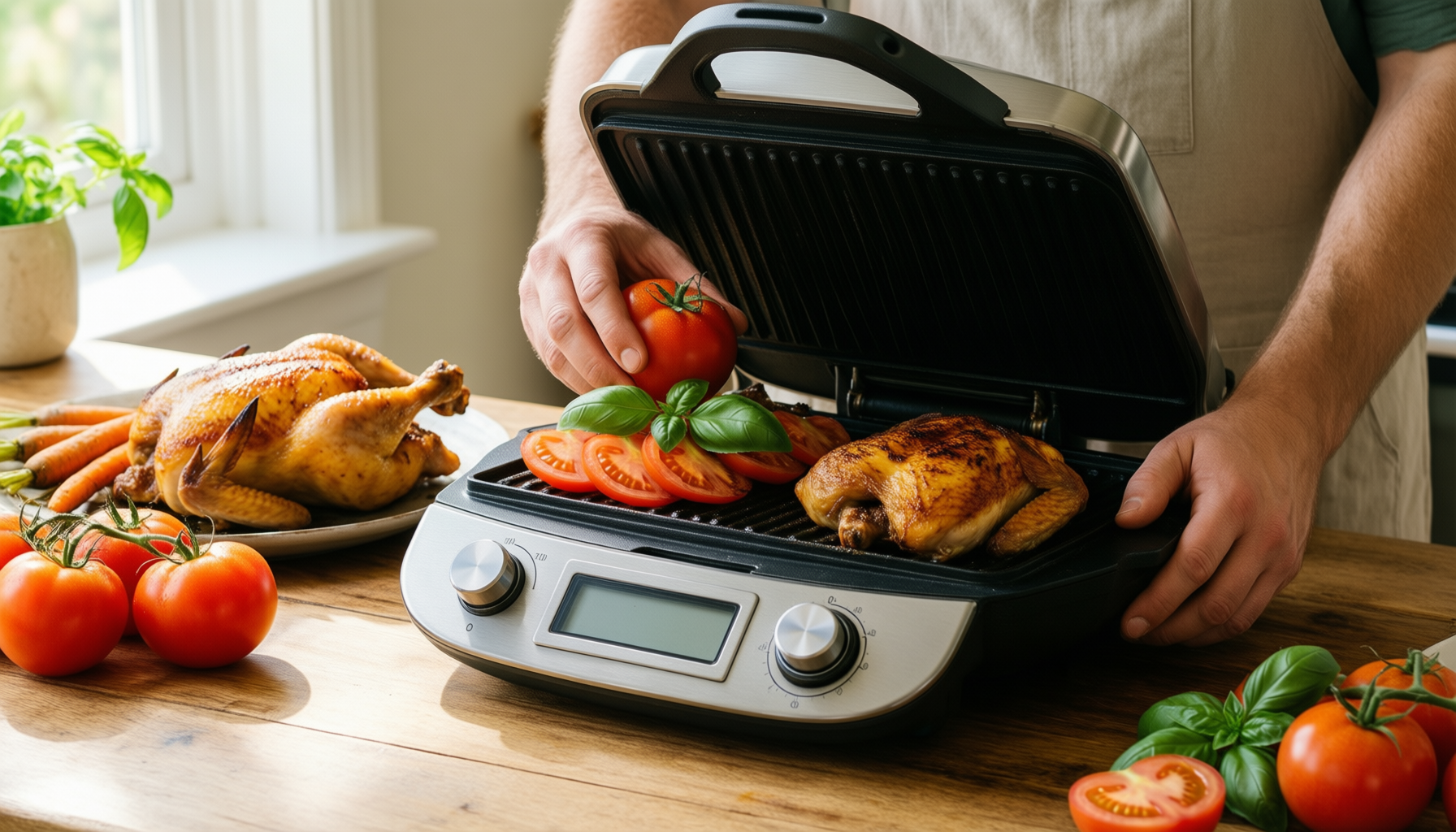
This 8.25-inch (20.96 cm) cast iron tool addresses the specific challenge of uneven heat distribution in stovetop sandwich making, a common issue where standard flat pans fail to seal bread effectively. Its standout feature is the ribbed surface, which creates distinct grill marks while maximizing contact with the cooking vessel to squeeze out excess fat from meats and sandwiches. A key limitation is that it requires manual heat management on a hob or grill, meaning it lacks the automatic temperature control found in electric appliances. This product is best for home cooks who prioritize long-term durability and want to reduce cooking time by pressing ingredients flat against a hot surface.
Why Standard Non-Stick Presses Fail in Humid UK Kitchens
The primary issue with many electric sandwich makers in the UK is the degradation of non-stick coatings in high-humidity environments. When moisture accumulates on the heating plates, it can cause the PTFE-based coatings to bubble or peel over time, leading to food sticking and potential health concerns. This Lodge cast iron panini press avoids this entirely because it does not rely on a synthetic coating for its non-stick properties. Instead, it uses a factory-applied seasoning that is integral to the metal itself, making it far more resilient to the damp conditions common in British kitchens.
🛒 Check Price on Amazon →✓ See today's price & reviews
The thermal mass of cast iron differs significantly from the thin aluminum or steel plates found in electric units. While electric presses heat up quickly, they also cool down rapidly when the lid is opened, causing temperature fluctuations that can lead to soggy sandwiches. The heavy cast iron construction retains heat much more effectively, ensuring that the surface temperature remains stable even during the pressing process. This consistency allows for a more even browning of the bread and a better seal on the sandwich, which is critical for retaining moisture inside the panini while crisping the exterior.
Shifting from disposable appliances to durable cookware also offers long-term practical benefits. Electric sandwich makers often have a limited lifespan, with heating elements or plastic components failing after a few years of use. In contrast, this product is described as brutally tough and capable of lasting over 100 years if proper care instructions are followed. This longevity means that the initial investment is spread over decades of use, rather than being replaced every few years. For those tired of replacing cheap appliances, this tool offers a permanent solution that integrates seamlessly with existing cookware.
The Role of Thermal Mass in Heat Retention
The weight and density of the cast iron are key to its performance on the stovetop. Unlike lightweight electric presses that rely on internal heating elements, this tool relies on the heat from the pan below it. The high thermal mass ensures that the press stays hot even when it is lifted slightly to check the food. This stability is crucial for achieving the desired crunch without burning the inside of the sandwich. Buyers who are used to the quick, high-heat bursts of electric appliances may need to adjust their expectations, but the result is often a more evenly cooked product.
Durability in Damp Environments
UK kitchens often experience fluctuating humidity levels, which can be harsh on non-stick surfaces. The cast iron material is not susceptible to the same types of degradation as Teflon coatings. While it does require maintenance to prevent rust, the material itself does not peel or flake. This makes it a more reliable option for daily use in environments where moisture is a constant factor. The pre-seasoned finish provides an initial layer of protection, but the true durability comes from the metal’s ability to withstand high temperatures and physical wear over time.
Who Should Skip the Lodge 8.25-Inch Cast Iron Press
This tool is not suitable for buyers who require automatic temperature control without manual stovetop monitoring. If you are looking for a set-and-forget appliance that beeps when your sandwich is ready, this product will not meet that need. It requires active attention to the heat source, whether that is a gas hob, electric ring, or induction cooktop. You must monitor the temperature and timing manually, which can be inconvenient for those who prefer the convenience of electric appliances.
Users with limited storage space may also find the 8.25-inch footprint challenging to accommodate. While it is smaller than a full-sized griddle, it is still a substantial piece of cookware that needs to be stored carefully. If your kitchen cabinets are tight or you do not have a dedicated drawer for large utensils, this tool might be difficult to store. It is not a compact appliance that can be tucked away in a small cupboard; it requires a space that can accommodate its size and weight.
Those unwilling to perform regular oiling to prevent rust in damp British weather should also reconsider. Cast iron is prone to rust if left wet, and the humid climate in the UK exacerbates this risk. After each use, the press must be dried thoroughly and coated with a thin layer of oil to maintain its seasoning and prevent corrosion. If you are not prepared to dedicate a few minutes to this maintenance routine, the tool may deteriorate quickly. This is a significant consideration for those who prefer low-maintenance cookware.
Manual Heat Management Requirements
The lack of built-in heating elements means that the user is responsible for controlling the heat. This requires a degree of skill and attention that electric presses do not demand. You need to know how your specific hob responds to different heat settings and how long it takes for the cast iron to reach the desired temperature. This can be a learning curve for new users, but it also offers more control over the cooking process. Experienced cooks often prefer this level of control, as it allows them to adjust the heat in real-time to achieve the perfect result.
Storage and Maintenance Considerations
The size and weight of the press also impact storage and maintenance. It is not a lightweight tool that can be hung on a hook or placed in a small drawer. It requires a sturdy shelf or a dedicated space in the kitchen. Additionally, the need for regular oiling means that you must have a supply of cooking oil on hand and be willing to apply it after each use. This is a small but important part of the maintenance routine that ensures the longevity of the tool. If you are not prepared to commit to this routine, the tool may not be the right choice for you.
Pre-Seasoned Performance vs. Traditional Non-Stick Coatings
The factory-applied seasoning on this Lodge cast iron panini press creates a natural non-stick surface without the use of PTFE or other synthetic chemicals. This seasoning is a polymerized layer of oil that bonds to the iron, creating a smooth, dark surface that resists sticking. Unlike non-stick coatings, which can wear away over time, the seasoning on cast iron can be renewed indefinitely. This makes it a more sustainable and long-lasting option for those who are concerned about the environmental impact of disposable cookware.
Comparing the release of butter and cheese on cast iron versus Teflon-coated plates reveals some interesting differences. While Teflon is known for its superior non-stick properties, cast iron can achieve similar results with proper seasoning and technique. The key is to ensure that the surface is well-oiled and heated to the right temperature. When done correctly, the cheese and butter will release easily from the cast iron, leaving behind a crispy, golden-brown crust. The ribbed surface also helps to create distinct grill marks, which add visual appeal and texture to the finished product.
The long-term durability of cast iron versus the 2-3 year lifespan of non-stick coatings is a major advantage for this product. Non-stick coatings degrade over time, especially with high-heat cooking and the use of metal utensils. Once the coating is damaged, the pan becomes sticky and difficult to clean. In contrast, cast iron can last for generations if properly maintained. The seasoning can be rebuilt if it wears away, and the metal itself is incredibly durable. This makes it a more reliable and long-term investment for serious home cooks.
The Science of Seasoning
The seasoning process involves heating oil until it polymerizes and bonds to the iron surface. This creates a hard, smooth layer that is resistant to sticking and rust. The pre-seasoned finish on this product provides a good starting point, but it can be enhanced with regular use and maintenance. By applying a thin layer of oil after each use, you can build up a thicker, more durable seasoning over time. This not only improves the non-stick properties but also adds to the flavor of the food.
Release and Cleanup
One of the common concerns with cast iron is cleanup, but this product is designed to make the process as easy as possible. The description notes that detergents are optional because the iron is sterile at 212 degrees Fahrenheit (100 degrees Celsius). This means that you can simply wash the press with hot water and a brush, then dry it thoroughly and apply a thin layer of oil. This is a much simpler process than scrubbing a non-stick pan with abrasive cleaners. The ribbed surface may require a bit more attention to clean out the grooves, but it is still manageable with a stiff brush.
Managing Rust and Maintenance in High-Humidity Climates
Managing rust is the most critical aspect of maintaining cast iron in a high-humidity climate like the UK. The damp air can cause moisture to condense on the surface of the iron, leading to rust if it is not addressed promptly. The key to preventing rust is to ensure that the press is completely dry after each use. This means wiping it down with a towel immediately after washing and allowing it to air dry for a few minutes. Any remaining moisture should be evaporated by placing the press on a low heat for a few minutes.
The importance of immediate drying and oiling after each use cannot be overstated. After the press is dry, apply a thin layer of cooking oil to the entire surface, including the ribbed areas. This creates a barrier between the iron and the air, preventing rust from forming. The oil should be applied with a paper towel or cloth, and any excess should be wiped off. This process takes only a few minutes and is essential for maintaining the longevity of the tool. Neglecting this step can lead to rust spots, which can be difficult to remove and can compromise the seasoning.
If the coating starts to wear or spot, re-seasoning the press is a straightforward process. First, remove any rust by scrubbing the surface with a stiff brush or steel wool. Then, wash the press with hot water and dry it thoroughly. Apply a thin layer of oil to the entire surface and place it in a preheated oven at a high temperature for an hour. This will polymerize the oil and create a new layer of seasoning. Repeat this process if necessary until the surface is smooth and dark. This maintenance routine ensures that the tool remains in excellent condition for years to come.
Preventing Rust in Damp Weather
In the UK, damp weather can be a constant challenge for cast iron owners. It is important to store the press in a dry place, away from moisture. If possible, hang it on a hook or place it on a shelf where it can air out. Avoid storing it in a closed cabinet where moisture can accumulate. If you live in a particularly damp area, consider using a dehumidifier in your kitchen to reduce the humidity levels. This can help prevent rust from forming on the surface of the iron.
Re-Seasoning Techniques
Re-seasoning is a simple process that can restore the non-stick properties of the press. The key is to use a high-smoke-point oil, such as flaxseed or vegetable oil, and to apply it in a thin, even layer. Too much oil can lead to a sticky surface, so it is important to wipe off any excess. The oven method is the most effective way to re-season, as it ensures that the oil is heated to the right temperature for polymerization. This process can be done whenever the seasoning starts to wear away or if rust spots appear.
Cooking Panini and Grilled Cheese on a Stovetop Cast Iron Press
Cooking paninis and grilled cheese on a stovetop cast iron press requires a different approach than using an electric appliance. The key is to apply even pressure without an electric clamp. This can be achieved by placing the press on top of the sandwich and using your hand or a heavy object to apply downward force. The weight of the cast iron itself helps to press the sandwich flat, but additional pressure can be added to ensure even contact with the cooking surface. This maximizes the heat transfer and helps to squeeze out excess fat from the ingredients.
Managing heat levels on gas and induction hobs is crucial for optimal browning. Cast iron heats up slowly but retains heat well, so it is important to start with a medium heat and adjust as needed. On a gas hob, you can adjust the flame size to control the heat, while on an induction cooktop, you can use the temperature settings. The goal is to achieve a consistent temperature that browns the bread without burning it. This may take some experimentation, but once you find the right setting, you can achieve perfect results every time.
Adapting standard panini recipes for the slower heat retention of cast iron involves adjusting the cooking time. Because the cast iron retains heat longer than electric plates, the sandwich may cook faster than expected. It is important to check the sandwich frequently to avoid overcooking. The ribbed surface also helps to create distinct grill marks, which add visual appeal and texture to the finished product. By following these techniques, you can create delicious paninis and grilled cheese sandwiches using this Lodge cast iron panini press.
Applying Even Pressure
The lack of an electric clamp means that you need to apply pressure manually. This can be done by placing the press on top of the sandwich and using your hand to push down. The weight of the cast iron helps to press the sandwich flat, but additional pressure can be added to ensure even contact. This is especially important for sandwiches with thick ingredients, as it helps to squeeze out excess fat and ensure that the heat reaches all parts of the sandwich.
Heat Management on Different Hobs
Different hobs have different heat characteristics, so it is important to adjust your technique accordingly. On a gas hob, you can adjust the flame size to control the heat, while on an induction cooktop, you can use the temperature settings. The goal is to achieve a consistent temperature that browns the bread without burning it. This may take some experimentation, but once you find the right setting, you can achieve perfect results every time. The cast iron’s ability to retain heat means that you can turn off the heat before the sandwich is fully cooked, and it will continue to cook from the residual heat.
Final Verdict
Who This Is Perfect For: This press is ideal for experienced home cooks who value long-term durability over convenience. If you are comfortable with manual heat management and willing to perform a simple post-use maintenance routine (drying and oiling), this tool offers a robust, long-lasting solution for making paninis and grilled cheese. It is particularly well-suited for those in humid climates who want to avoid the degradation issues associated with non-stick coatings.
Who Should Choose Alternatives: If you require a “set-and-forget” appliance with automatic temperature control and a beep alert, an electric sandwich maker is a better fit. Additionally, if you have very limited kitchen storage space or are unwilling to dedicate time to preventing rust, this cast iron press may not be the right choice. For those who prefer low-maintenance cookware that does not require regular oiling, standard non-stick or stainless steel options might be more practical, despite their shorter lifespan.
🛒 Check Price on Amazon →✓ See today's price & reviews