
#ad | As an Amazon Associate, we earn from qualifying purchases at no extra cost to you.
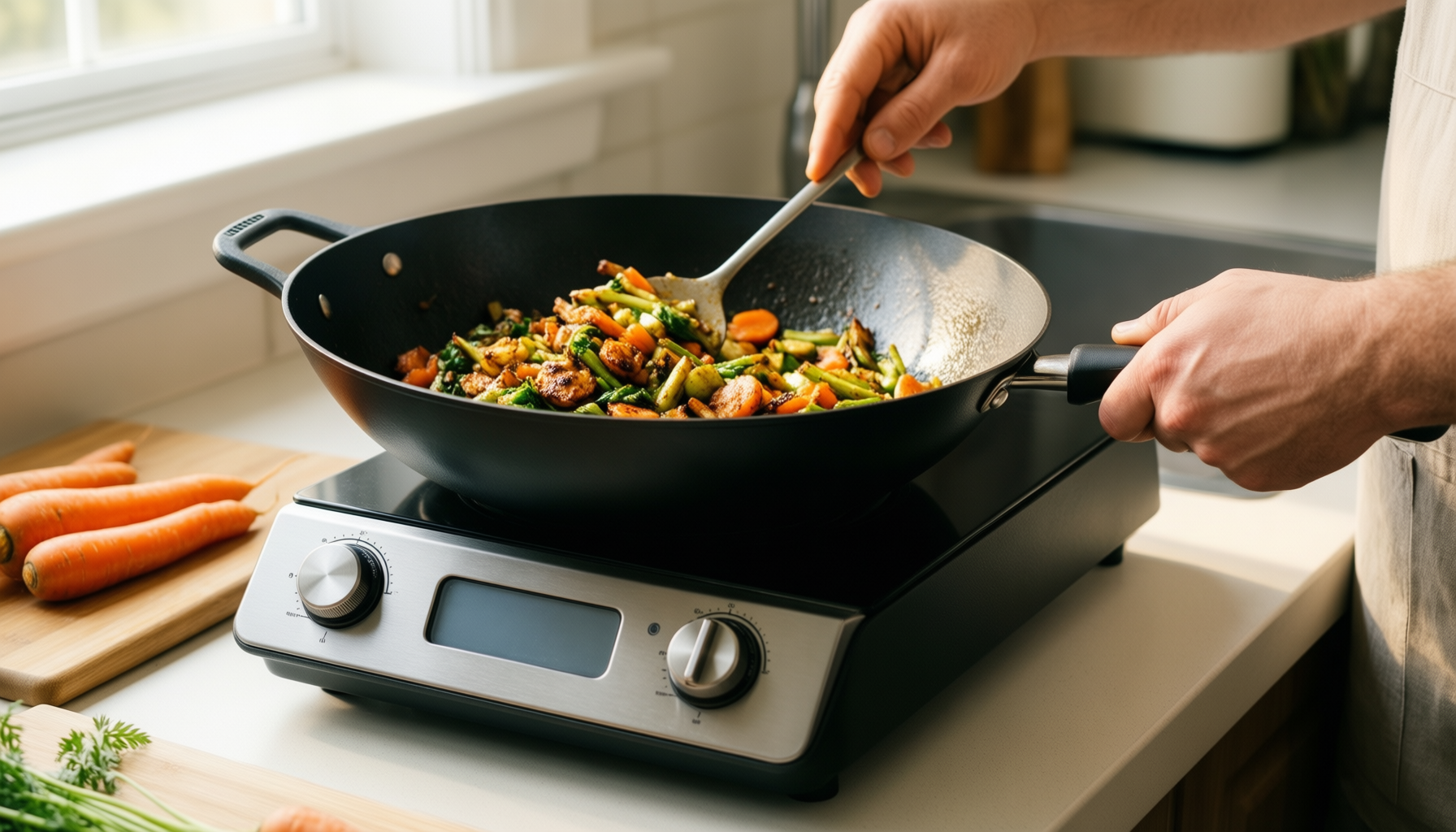
This 11.8-inch (30 cm) Japanese wok addresses the specific challenge of handling heavy cookware on standard UK hobs by offering a lightweight alternative to traditional cast iron. Its standout feature is the special nitride heat-treated surface, which provides extreme rust resistance and scratch durability without requiring the heavy seasoning maintenance of standard carbon steel. However, the thinner profile means it lacks the thermal mass of heavy cast iron, making it less suitable for slow braising or holding heat for extended periods without active stove input. This river light iron frying pan is best for home cooks who prioritize agility and easy cleanup over the thermal inertia of heavy skillets.
Managing the 30cm Surface Area in a Standard UK Kitchen
The 11.8-inch diameter of this model presents a distinct spatial challenge for kitchens with compact hob layouts. While 30 cm is a standard size for family-sized stir-fries, it often exceeds the diameter of smaller single-zone hobs found in UK apartments. Buyers should measure their hob zones before purchasing, as a pan this wide may overhang the heating element, leading to uneven heat distribution or safety concerns on gas hobs where flames can lick the sides. The physical footprint is significant, but the design mitigates the bulk through its weight profile rather than reducing the cooking surface area.
🛒 Check Price on Amazon →✓ See today's price & reviews
The “River Light” designation is not merely a marketing term but a functional specification that addresses the ergonomics of handling a large pan. Traditional 30 cm cast iron skillets can be cumbersome to lift and tilt, especially when filled with food. This model’s reduced weight makes it easier to maneuver for tossing ingredients or pouring out liquids. For users with limited wrist strength or those who frequently transfer the pan from hob to sink, the lighter build reduces physical strain. This agility is a key differentiator from heavier Western-style cast iron options that require two hands for safe handling.
The Impact of Weight on Daily Usability
The reduction in weight directly impacts the frequency and ease of use. A lighter pan is more likely to be used for daily meals rather than reserved for special occasions. The specification highlights that the iron is designed to be used for a long time with care, implying that the material is robust enough to withstand regular handling without the fatigue associated with heavier metals. This makes it a practical choice for high-frequency cooking tasks like frying eggs or sautéing vegetables, where the need to lift and tilt the pan is constant.
Fit on Typical UK Hob Zones
While the pan is induction compatible, the 30 cm size requires a corresponding large burner or induction zone to function optimally. On smaller hobs, the heat source may be too small to cover the base effectively, resulting in a hot spot in the center and cooler edges. This is a common issue with large woks in smaller kitchens. Users with dual-burner induction hobs or large gas rings will find the size more manageable. The design assumes a kitchen setup that can accommodate a large cooking vessel, which is not universal in UK housing.
Induction Compatibility and Heat Transfer Dynamics
The product description explicitly states that this river light iron frying pan is induction compatible, a critical feature for many modern UK households. Induction hobs require cookware with magnetic permeability to generate heat. The iron construction ensures that the pan meets this requirement, allowing it to work efficiently on induction surfaces. This compatibility makes it a versatile option for homes that have transitioned from gas or electric ceramic to induction for energy efficiency and faster heating times.
The heat transfer characteristics of this model are designed for speed rather than retention. The description notes that the pan has a “large amount of heat” to quickly pass through ingredients, resulting in crunchy and fragrant fried food. This indicates a design optimized for high-heat cooking methods like stir-frying and searing, where rapid temperature changes are necessary. The thinness of the iron allows it to heat up quickly, but it also means it cools down faster than a thick cast iron skillet. This is a trade-off: you gain agility and speed but lose the ability to hold heat for long periods without the stove running.
Magnetic Permeability and Base Design
For induction compatibility to work effectively, the base must be flat and magnetically responsive. The “Extreme Japan” branding suggests a focus on precision manufacturing, which likely ensures a flat base that makes good contact with the induction coil. Uneven bases can lead to inefficient heating or the hob shutting down due to poor contact. The nitride-treated surface does not appear to interfere with the magnetic properties of the iron, ensuring reliable performance on induction hobs. This is a clear advantage over some non-stick coated pans that may not be induction compatible.
Heat Distribution for Stir-Frying
The ability to quickly pass heat through ingredients is crucial for the authentic stir-fry technique. The pan’s design allows for rapid heating and cooling, which is ideal for cooking vegetables and meats that require high heat for a short duration. This prevents the food from steaming in its own juices, a common issue with pans that heat too slowly. The result is a dish with better texture and flavor, as the ingredients are cooked quickly and evenly. This makes it a strong choice for those who enjoy Asian-inspired cooking in their UK kitchens.
The Nitride-Treated Surface and Maintenance
One of the most significant advantages of this model is its special nitride heat-treated surface. This treatment makes the iron extremely rust resistant, durable, and scratch resistant. Unlike traditional carbon steel or cast iron, which require regular seasoning to prevent rust, this surface is designed to be low-maintenance. The description states that it is easy to clean, which is a major benefit for busy home cooks. This eliminates the need for the careful drying and oiling routine required for uncoated iron, making it more accessible to beginners.
The surface also has a “good oil blend” that makes it easy to cook. This suggests that the pan has a pre-seasoned or coated layer that provides a non-stick effect without the use of synthetic coatings like PTFE. This is a natural alternative to non-stick pans, offering the durability of iron with the ease of use of a coated pan. The combination of rust resistance and easy cooking makes it a practical choice for everyday use. The description emphasizes that the quality of the iron frying pan can be used for a long time with love, indicating a focus on longevity and durability.
Rust Resistance in Humid UK Climates
The UK’s humid climate can be challenging for iron cookware, which is prone to rust if not properly maintained. The nitride treatment addresses this issue directly, making the pan more resistant to moisture. This is a crucial feature for users who live in areas with high humidity or who may not have the time to dry and oil their pans after every use. The rust resistance extends the lifespan of the pan and reduces the risk of rust spots developing, which can affect the taste of food and the appearance of the pan.
Cleaning and Care Routine
The ease of cleaning is another key benefit of the nitride-treated surface. The description states that it is easy to clean, which implies that food does not stick to the surface as readily as it does on uncoated iron. This reduces the need for scrubbing or using abrasive cleaners, which can damage the surface over time. The pan can likely be washed with mild soap and water, making it more convenient for daily use. This ease of maintenance makes it a more appealing option for those who want the benefits of iron cookware without the hassle of traditional seasoning and care.
Who Should Skip This Lightweight Japanese Wok
Despite its many advantages, this river light iron frying pan is not suitable for every type of cook. Buyers who require the thermal mass of traditional heavy cast iron for slow braising or roasting should look elsewhere. The thin profile of this model means it does not retain heat as well as a thick cast iron skillet. If your cooking style involves long, slow cooking methods that rely on the pan’s ability to hold heat, this model may not be the right choice. It is designed for high-heat, quick-cooking methods, not for low-and-slow cooking.
Users who prefer non-stick coatings over seasoned iron maintenance may also find this model less appealing. While the nitride-treated surface is easy to clean and has a good oil blend, it is not a true non-stick coating. It still requires some level of care to maintain its performance over time. If you are looking for a pan that requires zero maintenance and can be washed with harsh detergents, a synthetic non-stick pan may be a better fit. This model requires a balance of care and use to maintain its quality.
Limitations for Single-Person Households
The 30 cm size may be excessive for single-person households or small apartment kitchens. While the pan is lightweight, its large diameter can be difficult to store and maneuver in a small kitchen. If you are cooking for one or two people, a smaller pan may be more practical and easier to handle. The large surface area is designed for family-sized meals or large batches of food, which may not be necessary for smaller households. This is a significant consideration for buyers with limited kitchen space.
Incompatibility with Low-Heat Cooking
The pan’s design for high-heat cooking means it is not ideal for low-heat cooking methods. If you frequently cook dishes that require gentle heat, such as poaching eggs or slow-cooking sauces, the thin profile of the pan may lead to hot spots and uneven cooking. The rapid heat transfer is a feature for stir-frying but a limitation for delicate cooking. Buyers who primarily cook low-heat dishes should consider a pan with a thicker base that provides more even heat distribution.
Balancing Japanese Precision with Western Durability
The construction of this model reflects a balance between Japanese precision and Western durability expectations. The “Extreme Japan” branding suggests a focus on high-quality manufacturing and attention to detail. The nitride treatment and the specific design of the handle and base indicate a product that is built to last. Unlike some cheaper imported woks, this model is designed with a focus on longevity and performance. The description notes that the quality of the iron frying pan can be used for a long time with love, which is a testament to its durability.
Compared to Western brands like Lodge or All-Clad, this model offers a different set of advantages and trade-offs. Western cast iron is known for its thermal mass and durability, but it is also heavier and requires more maintenance. This Japanese model is lighter and easier to maintain, but it lacks the thermal mass of heavy cast iron. The choice between the two depends on your cooking style and preferences. If you value agility and ease of use, this model is a strong option. If you value heat retention and durability, a heavier cast iron skillet may be a better fit.
Longevity and Wear Resistance
The nitride-treated surface is designed to be scratch resistant and durable, which is a key factor in the longevity of the pan. The description states that the surface is extremely rust resistant and durable, which suggests that it can withstand regular use without significant wear. This is a clear advantage over non-stick pans, which can wear out over time and lose their non-stick properties. The iron construction ensures that the pan can be used for a long time, making it a durable investment for your kitchen.
The Trade-Off Between Agility and Robustness
The main trade-off with this model is between agility and robustness. The lightweight design makes it easy to handle and maneuver, but it may not be as robust as a thicker cast iron skillet. The thinner profile is more susceptible to warping if exposed to extreme heat or uneven heating. However, the nitride treatment and the quality of the iron should help to mitigate this risk. The design is optimized for high-heat, quick-cooking methods, which is where it excels. For those who prioritize agility and ease of use, this model is a strong choice.
Final Verdict
The river light iron frying pan is a well-designed, lightweight wok that offers a practical solution for home cooks who want the benefits of iron cookware without the weight and maintenance of traditional cast iron. Its nitride-treated surface provides excellent rust resistance and easy cleaning, making it a low-maintenance option for daily use. The induction compatibility and high-heat performance make it a versatile tool for stir-frying and searing. However, its thin profile limits its suitability for slow braising and low-heat cooking. This model is best for home cooks who prioritize agility, ease of use, and quick cooking methods, and who are willing to accept the trade-off of reduced thermal mass.
🛒 Check Price on Amazon →✓ See today's price & reviews