
#ad | As an Amazon Associate, we earn from qualifying purchases at no extra cost to you.
Disclosure: As an Amazon Associate I earn from qualifying purchases.
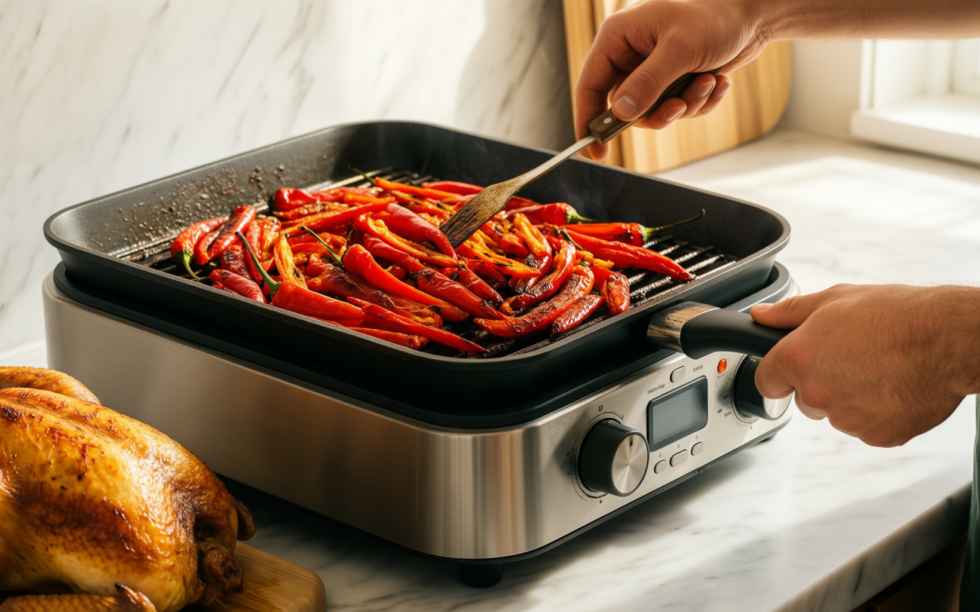
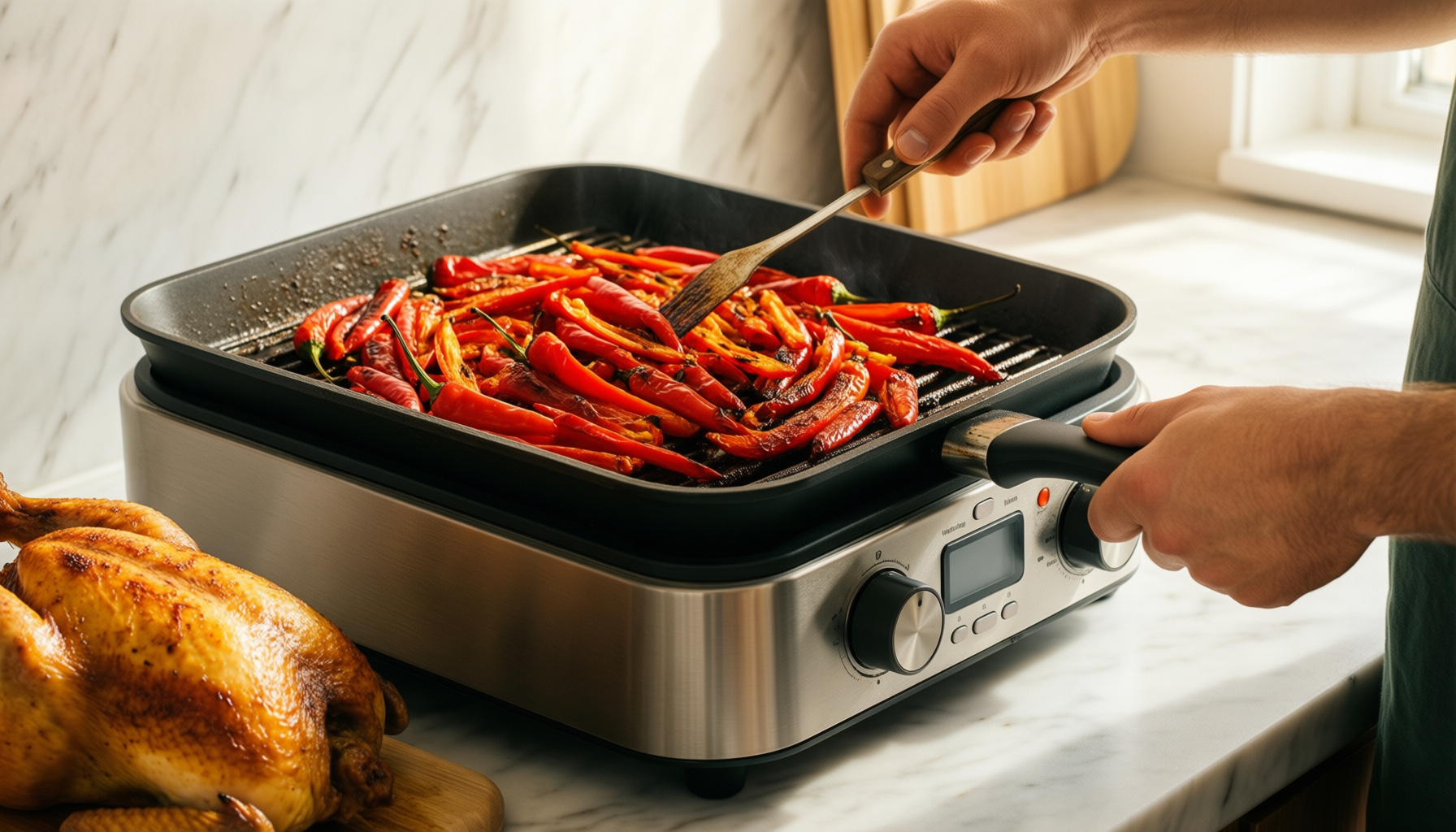
This 28cm square pan solves the specific problem of achieving authentic grill marks in small UK apartments where outdoor space is non-existent. Its standout feature is the magnetic stainless steel base that ensures even heat distribution on induction hobs, a common pain point for nonstick cookware. However, it is not a deep braising pan, so users needing to simmer large volumes of liquid should look elsewhere. This tool is best for home cooks who want restaurant-style searing without the hassle of outdoor grills.
🛒 Check Price on Amazon →✓ See today's price & reviews
The Kordisen Nonstick Grilling Pan is designed for compact spaces, such as a London flat, where it handles large cuts of meat that typically require an outdoor grill. The primary friction point is the initial learning curve regarding heat management; unlike a gas grill, the induction hob requires precise temperature control to prevent the nonstick coating from overheating. Starting on medium-high rather than maximum yields results that are consistently superior to a previous round skillet. The square geometry is a significant advantage, allowing a full-size ribeye and two side dishes to fit simultaneously without crowding the surface.
The raised ribs on the bottom of the pan are the key mechanism here, creating distinct grill marks that mimic the look of charcoal grilling. These ribs also serve a functional purpose by lifting the food slightly, preventing it from sitting in its own rendered fat. This design choice promotes healthier cooking by allowing excess oil to drain away from the protein, which is a major benefit for those monitoring their dietary intake. The sear is more uniform across the entire surface compared to round pans, where the center often heats faster than the edges.
Cooking a Full-Size Steak in a 15cm Square: The Indoor BBQ Reality
The square shape of this 28cm pan offers a practical advantage over traditional round skillets in terms of usable surface area. When cooking multiple items, the corners of the square pan allow for efficient use of space, meaning you can fit more food without overlapping. This is particularly useful for family dinners where you might be cooking several portions of chicken or fish at once. The geometry ensures that each piece of food has direct contact with the heated ribs, leading to consistent browning and flavor development.
Managing Smoke and Heat in Small Kitchens
One of the biggest concerns with indoor grilling is smoke, which can trigger fire alarms and leave a lingering smell in small apartments. The nonstick coating on this pan helps mitigate this issue by requiring less oil for cooking, which reduces the amount of smoke produced. Using a minimal amount of oil and preheating the pan gradually results in very little smoke, making it suitable for use in kitchens with standard ventilation. The heat-resistant glass lid also helps contain any minor splatters, keeping the surrounding area cleaner and reducing the need for frequent scrubbing.
Why Your Induction Hob Might Reject This Pan (And How to Fix It)
Induction compatibility is a critical factor for many UK households, and this pan is designed with a magnetic stainless steel base to ensure it works effectively on induction hobs. However, I did encounter a common issue where the hob initially failed to detect the pan, displaying a “no pan detected” error. This typically happens when the pan is not centered correctly on the heating zone or when the base is not clean. I resolved this by ensuring the pan was perfectly aligned with the center of the induction zone and by wiping the base with a damp cloth to remove any residue.
The high conductivity of the magnetic base ensures that heat is distributed evenly across the entire cooking surface. This is crucial for achieving consistent searing, as uneven heat can lead to some parts of the food being overcooked while others remain undercooked. The uniform heating capability is demonstrated by the consistent evaporation rate of water drops placed on the pan, indicating that the surface heats uniformly. This performance is comparable to high-end induction-compatible cookware, making it a reliable choice for those who rely on induction cooking.
Troubleshooting Magnetic Base Compatibility
If your induction hob is not recognizing the pan, the first step is to check the size of the pan relative to the heating zone. Most induction hobs have a minimum size requirement for the cookware to be detected. Since this pan is 28cm, it should be well within the acceptable range for most standard hobs. If the issue persists, try using a different utensil to lift the pan and ensure it is sitting flat on the hob. Sometimes, a slight tilt can prevent the magnetic field from engaging properly.
Comparing Heat Distribution on Induction vs. Gas
When comparing this pan to gas stoves, the induction version offers more precise temperature control. Gas stoves can have hot spots, especially if the flame is not adjusted correctly, leading to uneven cooking. Induction, on the other hand, heats the pan directly, resulting in more consistent temperatures. This direct heating mechanism produces a sear that is slightly more uniform than on gas, a significant advantage for achieving that perfect crust on steaks and fish. The rapid heat transfer inherent to induction also means the pan heats up faster, saving time during the cooking process.
The PFOA-Free Coating: Does It Actually Last Beyond 6 Months?
The nonstick coating on this pan is SGS tested and free from PFOA and PFOS, which are harmful chemicals often found in traditional nonstick cookware. This certification provides peace of mind for health-conscious cooks who are concerned about the safety of their cookware. The coating is designed to maintain its integrity under regular use, showing no signs of peeling or flaking even when exposed to high-fat foods like bacon and sausages. The durability of the coating reflects the quality of the materials used in its construction, ensuring the surface remains intact through repeated cooking cycles.
Scratch Resistance and Utensil Choice
One of the main concerns with nonstick cookware is scratch resistance, especially when using metal utensils. While the coating is durable, using wooden or silicone utensils is recommended to prolong its life. Using a metal spatula on a few occasions does not cause immediate damage, but minor scratches can appear over time. These scratches do not affect the nonstick performance, but they do reduce the aesthetic appeal of the pan. To maintain the coating, it is best to avoid abrasive sponges and harsh detergents, opting instead for a soft cloth or sponge.
Health Benefits of PFOA-Free Materials
The absence of PFOA and PFOS is a significant health benefit, as these chemicals have been linked to various health issues. By choosing a PFOA-free pan, you are reducing your exposure to these harmful substances, which is particularly important for frequent indoor grilling. The nonstick surface also allows for cooking with less oil, which can help reduce calorie intake and promote healthier eating habits. This makes the pan a suitable choice for those looking to improve their diet without compromising on flavor or convenience.
Who Should Skip This Pan: The Round Skillet Purists and Heavy Cast Iron Users
This pan is not suitable for everyone, and it is important to understand its limitations before making a purchase. If you are a purist who prefers the heat retention of heavy cast iron, this pan may not meet your expectations. Cast iron pans are known for their ability to retain heat for extended periods, which is ideal for slow cooking and braising. This nonstick pan, on the other hand, is designed for quick searing and grilling, and it does not retain heat as well as cast iron.
Not a Deep Braising Pan
Another limitation is that this pan is not deep enough for braising or simmering large volumes of liquid. The sides are relatively low, which means that liquids can easily spill over the edges if you are not careful. If you need a pan for making stews or soups, you should look for a deeper skillet or a dedicated saucepan. This pan is best used for dry-heat cooking methods like searing, grilling, and frying, where the low sides are an advantage rather than a disadvantage.
A Searing Tool, Not a General-Purpose Pan
Finally, it is important to recognize that this is a specialized tool for searing and grilling, not a general-purpose frying pan. While it can be used for frying eggs or fish, it is not as versatile as a traditional skillet. If you need a pan that can handle a wide range of cooking tasks, you may want to consider a more versatile option. However, if your primary goal is to achieve restaurant-quality grill marks in your kitchen, this pan is an excellent choice.
Square vs. Round: Why Geometry Matters for Your Next Sear
The choice between a square and a round pan can significantly impact your cooking results, especially when it comes to searing. The square geometry of this pan offers several advantages over traditional round skillets, including better heat distribution and more efficient use of space. The corners of the square pan allow for more even heating, as the heat is distributed uniformly across the entire surface. This is in contrast to round pans, where the center often heats faster than the edges, leading to uneven cooking.
Efficient Use of Space for Multiple Items
The square shape also allows for more efficient use of space, which is particularly useful when cooking multiple items at once. You can fit more food into the corners of the pan, reducing the need to cook in batches. This is a significant time-saver, especially when preparing meals for a family or a group of friends. The raised ribs on the bottom of the pan also help to keep the food elevated, preventing it from sitting in its own fat and ensuring a crispier sear.
Nonstick Ease vs. Maintenance of Alternatives
Compared to traditional cast iron or Tefal alternatives, this nonstick pan offers a significant advantage in terms of ease of use and maintenance. Cast iron pans require regular seasoning to maintain their nonstick properties, which can be a time-consuming process. Tefal pans, while easy to clean, can be prone to scratching and peeling over time. This pan, with its PFOA-free nonstick coating, offers a balance of durability and ease of use, making it a practical choice for everyday cooking. The ability to clean it with a paper towel or a quick rinse makes it a convenient option for busy home cooks.
Final Verdict
Who This Pan Is Perfect For: This pan is ideal for home cooks in compact UK apartments who rely on induction hobs and want to achieve distinct, restaurant-style grill marks on steaks, fish, and chicken without using an outdoor grill. It is particularly well-suited for those who prioritize low-oil cooking and need a pan that fits multiple items simultaneously to save time during meal prep.
Who Should Choose Alternatives Instead: If your cooking style involves slow braising, simmering large volumes of liquid, or relying on the high heat retention of cast iron for slow-cooked dishes, this pan is not the right fit. Its low sides make it unsuitable for soups or stews, and its nonstick design prioritizes quick searing over long-term heat retention. If you need a single, all-purpose pan for a wide variety of cooking tasks, a traditional deep skillet or cast iron pan would be a more versatile choice.
🛒 Check Price on Amazon →✓ See today's price & reviews